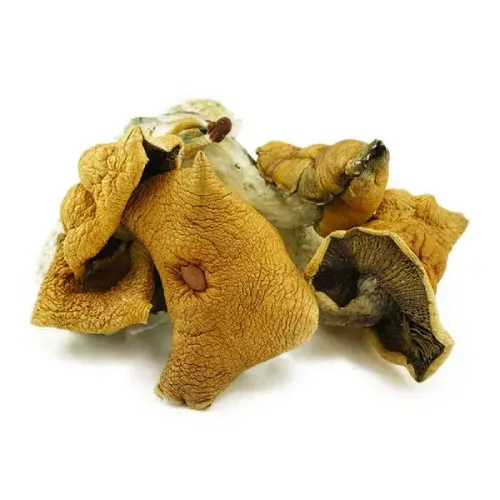
Within the enchanting realm of fungi, few species capture the imagination quite like the remarkable Wavy Cap mushroom. Featuring with a cap that resembles a swirling wave, this delightful specimen is a true treasure of nature's artistry. Its captivating appearance often draws the attention of both amateur and expert mycologists alike. Growing in a variety of habitats, from abundant forests to shaded meadows, the Wavy Cap mushroom showcases a bold array of colors, extending from earthy hues to dazzling oranges.
Identifying Wavy Caps in Your Backyard
Are you looking to find those fascinating toadstools that sometimes pop up in backyards? Recognizing wavy caps can be a rewarding experience. These distinct mushrooms often have a distinctive wavy or undulating shape to their pilei. They usually grow on tree stumps, preferring moist conditions. Keep that while some wavy caps are consumable, others can be poisonous. It's always recommended to refer an expert before consuming any wild mushrooms.
When you think you might have found a wavy cap, capture a picture from multiple angles and pay attention its color, size, shape. Leverage a field guide or online database to help determine the species.
The enchanting World of Wavy Cap Fungi
Step into a realm where nature's artistry knows no bounds. The wavy cap fungi, also known as Cortinarius, are a delightful sight to behold. Their distinctive caps resemble undulating ripples, creating an illusion that mesmerizes the eye.
These delicate fungi thrive in humid habitats, often found sprouting from fallen leaves. Their pale hues range from light brown, sometimes kissed with stripes.
Gaze upon their tensile stems, tapering gracefully toward the ground. A true gem of the forest floor, the wavy cap fungi remind us that wonder can be found in the most unexpected places.
Discovering the Secrets of the Wavy Cap Mushroom
The wavy cap mushroom, also known as Pholiota wavycap, is a fascinating species with unexplained qualities. Found in damp woodlands, these mushrooms are identified by click here their unique wave-like caps and delicate texture.
- Mycologists have long been intrigued by the wavy cap mushroom's complex biological structure.
- Some species of wavy cap mushrooms are known to produce unique chemicals with potential medicinal applications.
- Efforts are currently underway to unravel the full possibilities of this puzzling mushroom.
Raising Wavy Cap Mushrooms at Home
Wavy cap mushrooms provide unique and interesting culinary experience. Developing them at home presents a rewarding adventure. With the right supplies, you will achieve grow these beautiful fungi in your personal home.
- Start with a clean substrate, such as straw, which provides the crucial nutrients for mushroom growth.
- Introduce your substrate with wavy cap mushroom spawn sourced from a trustworthy supplier.
- Preserve optimal settings for growth, typically between 65-75°F.
- Provide proper humidity levels to your growing environment.
- Gather your mushrooms when they reach their full mature stage, usually within approximately a month.
A Forager's Guide to Fan-Shaped Caps
When searching for delicious Wavy Caps, remember to focus on healthy woodland habitats. These fungi thrive in moist settings, often nestled among decomposingtrees. Take note of their unique undulating caps and ivory stalks. A keen eye for detail will help you distinguish these treasures, making your foraging adventure a fruitful one.
- Before consuming any wild fungi, it is crucial to confirm its identity with an experienced forager or through reliable resources.
- Refrain from foraging in areas that may have been sprayed to pesticides or herbicides.
- Always practice ethical foraging, taking only what you need and leaving the rest for others to enjoy.